
Pilates During Pregnancy: A Guide To Pilates Through Trimesters
Pilates is a safe and effective exercise method for pregnant women, helping them navigate the physical changes of pregnancy. With its focus on core strength, flexibility, and controlled movement, Pilates supports the body during each stage of pregnancy.
Prenatal Pilates offers numerous benefits, including improved pelvic floor strength, reduced back pain, and better posture. It also prepares the body for labor and delivery while promoting faster postpartum recovery.
This article explores whether Pilates and Reformer Pilates are safe during pregnancy, how to adapt exercises for each trimester, and the benefits of Pilates for pregnancy and postpartum. By the end, you’ll have a clear understanding of how Pilates can enhance your pregnancy journey.
Is Pilates Safe During Pregnancy?
Yes, Pilates is generally safe for pregnant women when performed under the guidance of a certified Pilates instructor. Its low-impact nature and focus on controlled movements make it ideal for accommodating the changing body during pregnancy.
Pilates emphasizes strengthening the core, including the pelvic floor muscles, which play a vital role during pregnancy and childbirth. Strong pelvic floor muscles support the growing uterus, reduce the risk of pelvic pain, and prepare the body for labor.
However, it’s important to consult your healthcare provider before starting or continuing Pilates during pregnancy. This ensures the exercise program aligns with your unique needs and any medical conditions you may have.
Throughout pregnancy, it’s essential to listen to your body. Avoid exercises that involve lying flat on your back after the first trimester, as this position can reduce blood flow to the baby. Modifications can be made to ensure exercises remain safe and comfortable.
Pilates provides a controlled and adaptable exercise program during pregnancy. With proper guidance and modifications, it can support physical and mental well-being throughout each trimester.
Is Reformer Pilates Safe for Pregnancy?
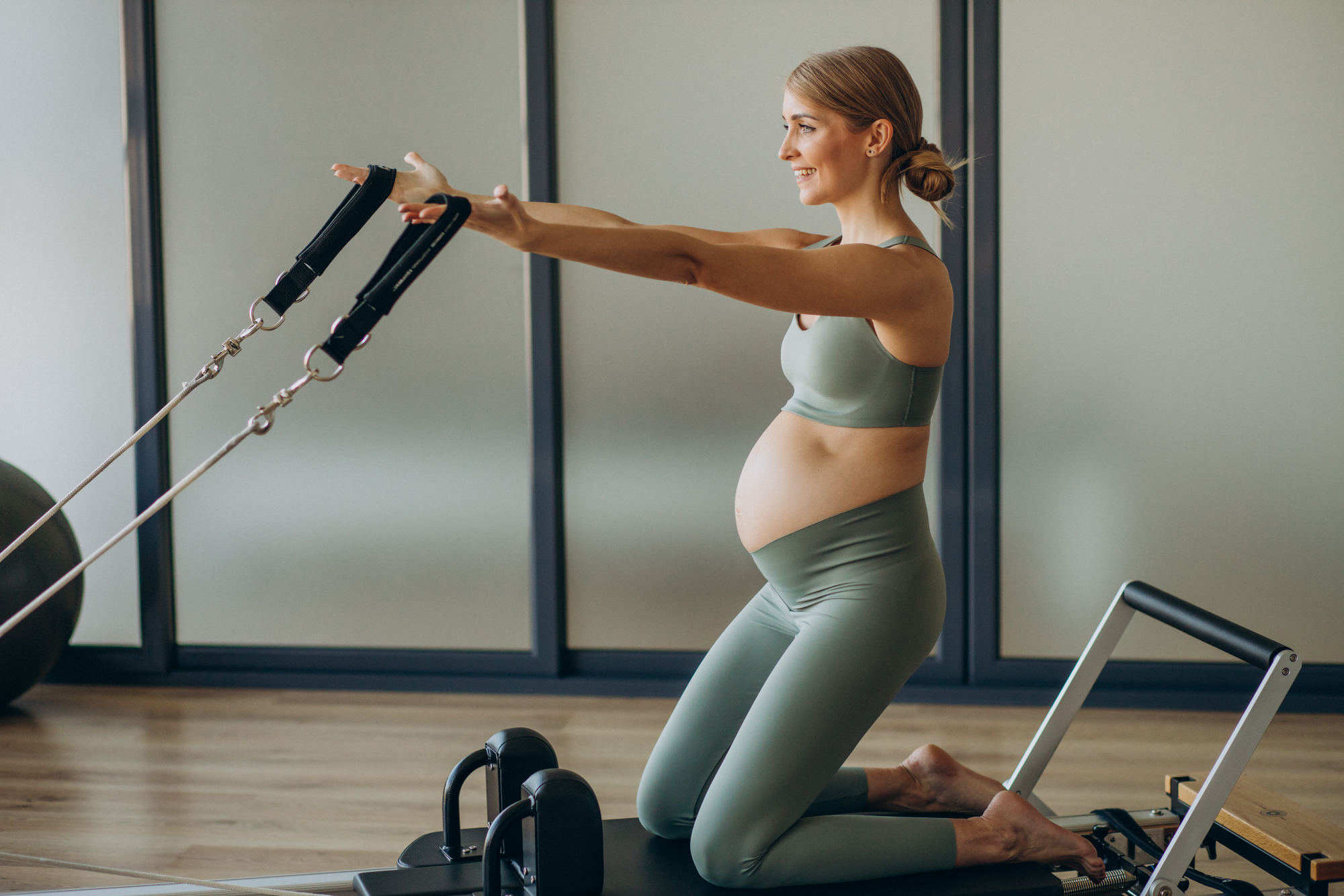
Reformer Pilates can be a safe and effective option for pregnant women when properly tailored to their needs. The Reformer machine’s adjustable settings make it easy to modify exercises as the body changes during pregnancy.
The sliding carriage and resistance springs allow for controlled movements that strengthen the core, improve flexibility, and enhance stability. These benefits are especially valuable during pregnancy, as they help support the growing belly and reduce strain on the lower back.
Working with a certified Pilates instructor experienced in prenatal exercise is essential. They can adjust the Reformer’s settings to ensure safety and comfort during your Pilates sessions. For example, lighter springs can be used for exercises involving the arms and legs, while heavier springs add stability for core-focused moves.
Reformer Pilates is particularly beneficial for improving pelvic floor strength and posture. These elements not only ease discomfort during pregnancy but also prepare the body for labor and delivery.
It’s important to avoid any positions or movements that compress the abdomen or cause discomfort. As always, listen to your body and make modifications as needed. Reformer Pilates, when done safely, can be an excellent way to stay active and maintain strength throughout pregnancy.
Benefits of Pilates During Pregnancy
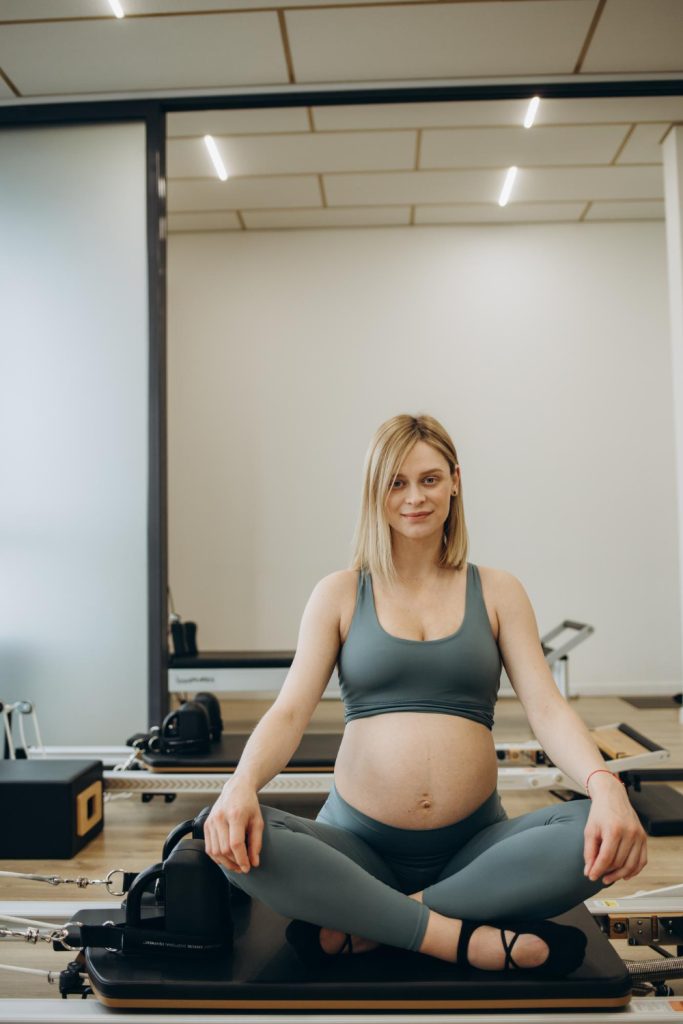
Practicing Pilates during pregnancy provides significant physical and mental benefits. Here’s how it supports expectant mothers:
- Strengthens Core and Pelvic Floor: Builds strong abdominal and pelvic floor muscles, reducing the risk of diastasis recti and supporting the growing baby.
- Reduces Back Pain: Improves posture and alignment to ease lower back discomfort caused by added weight and postural changes.
- Enhances Flexibility and Balance: Keeps muscles supple and strengthens stabilizers, reducing the risk of falls or injuries.
- Promotes Mental Well-Being: Breathing techniques foster relaxation, reduce stress, and prepare mothers mentally for labor.
- Prepares for Labor and Delivery: Improves stamina, body awareness, and breathing control to support a smoother delivery experience.
Pilates is a valuable exercise method for expectant mothers, providing both physical strength and mental resilience throughout pregnancy.
Pilates Through the Trimesters
Each trimester of pregnancy brings unique changes to the body, and Pilates can be adapted to support these transitions. Here’s how Pilates can be safely practiced during each stage of pregnancy.
First Trimester (Weeks 1–12)
In the first trimester, many women can continue their regular Pilates routine with minor modifications. This stage is ideal for focusing on building foundational strength, particularly in the core and pelvic floor. However, it’s important to avoid overexertion, as energy levels may fluctuate. Exercises involving heavy resistance or rapid movements should be modified for safety.
Second Trimester (Weeks 13–26)
During the second trimester, the growing belly begins to shift the body’s center of gravity. Pilates exercises should prioritize balance and stability. Heavier springs on the reformer provide support for core exercises, while lighter springs can be used for leg and arm movements. It’s important to avoid lying flat on the back for extended periods, as this position can restrict blood flow. Instead, opt for side-lying or seated exercises.
Third Trimester (Weeks 27–40)
In the third trimester, comfort and safety become the top priorities. As the body prepares for labor, Pilates movements should focus on gentle stretching, relaxation, and maintaining flexibility. Core exercises can continue with modifications to avoid any pressure on the abdomen. Use props like cushions or a stability ball to support the body during exercises. Always listen to your body and stop if any movements feel uncomfortable or cause strain.
By adjusting Pilates routines to suit the changing body, women can safely enjoy the benefits of this practice throughout pregnancy.
Postpartum Benefits of Pilates
Pilates is not only beneficial during pregnancy but also plays a key role in recovery after childbirth. Postnatal Pilates helps rebuild strength, restore posture, and improve overall well-being as the body adjusts to its postpartum state.
Restoring Core Strength
After pregnancy, the abdominal muscles, including the pelvic floor, often need rehabilitation. Pilates exercises target these muscles gently and effectively, helping to restore their tone and strength. This is particularly important for addressing diastasis recti, a common condition where the abdominal muscles separate during pregnancy.
Improving Posture
Caring for a newborn often involves activities like feeding, carrying, and bending, which can strain the back and shoulders. Pilates focuses on proper alignment and posture, reducing tension in these areas and preventing long-term discomfort.
Promoting Relaxation and Stress Relief
The postpartum period can be overwhelming. Pilates provides a structured way to focus on breathing and mindfulness, which reduces stress and promotes relaxation. This mental clarity helps new mothers feel more balanced and energized.
Supporting a Gradual Return to Fitness
Pilates offers a low-impact way to ease back into an exercise routine. Its adaptability allows women to progress at their own pace while rebuilding stamina and strength.
Improving Overall Strength and Mobility
By targeting the entire body, Pilates enhances mobility and strength, making daily activities with a newborn easier and more comfortable.
Incorporating Pilates into the postpartum period is a gentle and effective way to regain physical and mental strength while embracing the new demands of motherhood.

Safety Considerations for Prenatal Pilates
While Pilates is generally safe for pregnancy, certain precautions ensure that it remains a supportive and comfortable exercise. Following these guidelines helps protect both the mother and the baby.
Consult a Healthcare Provider
Before starting or continuing Pilates during pregnancy, it’s crucial to consult with your healthcare provider. They can confirm whether Pilates is appropriate for your specific health and pregnancy conditions.
Work with a Certified Prenatal Pilates Instructor
A certified instructor experienced in prenatal Pilates can tailor exercises to your trimester and needs. They understand how to modify movements for safety and comfort, ensuring you get the most out of your sessions.
Listen to Your Body
Every pregnancy is unique, and it’s essential to pay attention to how you feel during Pilates sessions. If any movement causes discomfort, stop and inform your instructor. Avoid exercises that involve lying flat on your back after the first trimester, as this can reduce blood flow.
Avoid Overexertion
Pregnancy isn’t the time to push for high-intensity workouts. Focus on maintaining form and engaging your core muscles gently. The goal is to feel supported and strong, not exhausted.
Stay Hydrated and Comfortable
Drink water before, during, and after your Pilates session to stay hydrated. Wear breathable and stretchy clothing to accommodate your changing body.
By following these safety considerations, Pilates can be a safe and enjoyable exercise method throughout pregnancy. Proper guidance and modifications ensure a supportive experience at every stage.
ChatGPT said:
Empowering Your Pregnancy with Pilates
Pilates is a safe, adaptable, and beneficial exercise for women at every stage of pregnancy. Its focus on core strength, flexibility, and mindfulness supports both physical and mental well-being during this transformative time.
Through proper guidance and modifications, Pilates can help manage back pain, strengthen pelvic floor muscles, and prepare the body for labor and delivery. Whether practicing on a mat or using a reformer, this exercise method empowers women to stay active and connected to their changing bodies.
The benefits of Pilates extend beyond pregnancy into the postpartum period, aiding in recovery, rebuilding strength, and improving posture. With a certified prenatal Pilates instructor and attention to safety, this practice can enhance every step of your pregnancy journey.
If you’re pregnant and considering Pilates, consult your healthcare provider and explore prenatal Pilates classes tailored to your needs. With dedication and the right support, Pilates can be a valuable tool for navigating pregnancy and embracing motherhood with strength and confidence.