
Who Invented Pilates?
Who invented Pilates workouts? Pilates is a globally recognized exercise method known for its ability to improve physical fitness and mental well-being. But have you ever wondered who created this transformative practice?
The Pilates method was developed by Joseph Pilates, a man whose passion for health and movement shaped a revolutionary approach to fitness. This article explores Joseph Pilates’ life, his inspiration for the method, and how Pilates evolved into the exercise we know today.
From his early life as a sickly child to his groundbreaking work during World War I and beyond, Joseph Pilates’ journey is one of resilience and innovation. By the end of this article, you’ll understand the origins of Pilates and its lasting impact on the world.
Who Created Pilates?
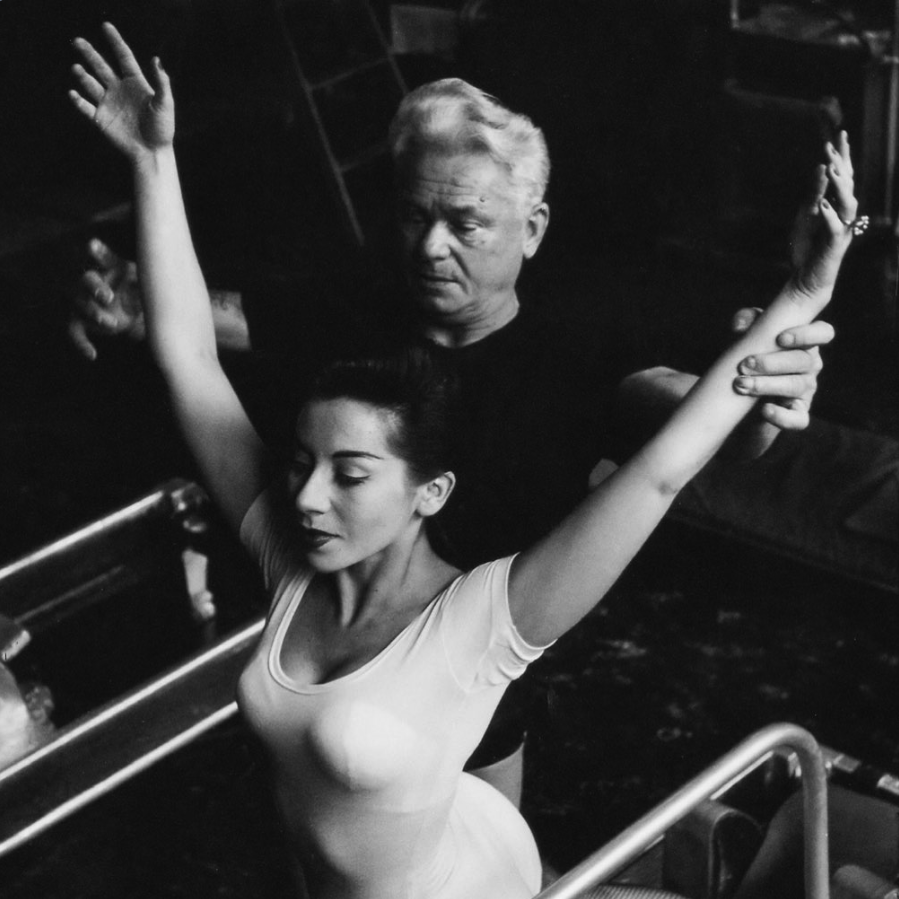
Pilates was created by Joseph Hubertus Pilates, born in 1883 in Mönchengladbach, Germany. As a sickly child, Joseph struggled with asthma, rickets, and rheumatic fever. These health challenges motivated him to study physical fitness, anatomy, and various exercise techniques to improve his well-being.
Joseph was inspired by practices like yoga, gymnastics, and martial arts. His deep interest in movement and control led to the development of a unique system of exercises that would later become known as the Pilates method.
Before he invented Pilates, Joseph worked as a gymnast, circus performer, and boxer. These experiences influenced his understanding of the body’s mechanics and how to build strength and flexibility. By combining elements of his training, he developed a series of exercises that emphasized core strength, alignment, and breath control.
Joseph Pilates’ philosophy centered on the idea of balancing the mind and body. His method, originally called “Contrology,” aimed to improve overall health by harmonizing physical and mental fitness.
His journey as a fitness innovator began to take shape during World War I, where his work with injured soldiers laid the foundation for the Pilates method we practice today.
When Was Pilates Created?
The foundations of Pilates were established during World War I, when Joseph Pilates was interned as a German internee on the Isle of Man. This period marked the beginning of his method, which he refined while working with fellow internees and injured soldiers.
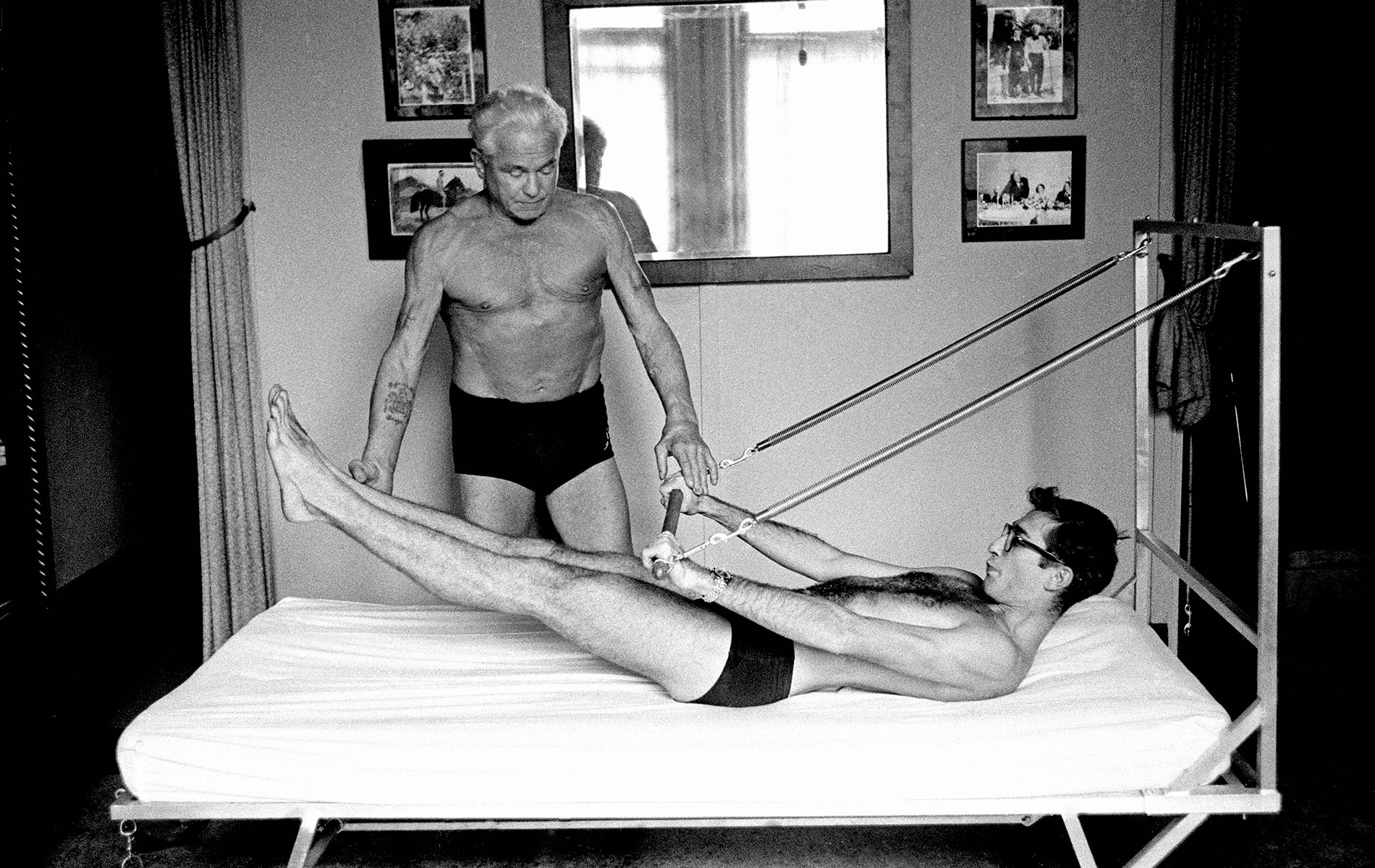
During his time in internment, Joseph developed exercises using minimal equipment. He adapted hospital beds with springs to create resistance-based movements, laying the groundwork for what would later become the reformer and Cadillac apparatus. His exercises helped improve strength, flexibility, and rehabilitation among the soldiers, showcasing the effectiveness of his method.
After the war, Joseph returned to Germany in 1912, where he further developed his ideas. He trained police forces and collaborated with dancers, gymnasts, and physical fitness experts to refine his exercises. However, in 1926, dissatisfied with the political climate in Germany, he immigrated to the United States with his wife, Clara.
In New York City, Joseph and Clara Pilates opened their first Pilates studio on Eighth Avenue. The studio became popular among the dance community, with figures like Martha Graham and George Balanchine adopting the Pilates method to improve strength and prevent injuries.
Pilates officially took shape during these years, with Joseph publishing his book Return to Life Through Contrology. The method gained recognition for its focus on controlled movements, alignment, and the integration of mind and body.
By blending his war-time innovations with his passion for fitness, Joseph Pilates created an exercise system that continues to inspire practitioners worldwide.
Usage of Pilates During War
Joseph Pilates’ time during World War I played a pivotal role in shaping the Pilates method. While interned on the Isle of Man as a German internee, he used his expertise to help rehabilitate injured soldiers.
Pilates believed movement and exercise were essential for recovery. He adapted hospital beds with springs and pulleys to create resistance-based exercises, enabling bedridden soldiers to build strength and mobility. This innovative approach inspired the development of Pilates apparatuses like the reformer and Cadillac.
The exercises Joseph introduced were low-impact yet highly effective, emphasizing controlled movements and alignment. Soldiers who practiced his methods reportedly recovered faster and regained their strength more effectively than others. This success demonstrated the power of his system and set the stage for Pilates’ eventual adoption in rehabilitation and fitness programs.
During the war, Pilates not only honed his techniques but also proved the versatility of his method. Whether used for rehabilitation or enhancing physical fitness, his exercises showed that they could be adapted to suit a wide range of needs.
Joseph Pilates’ work during World War I remains a significant chapter in the history of Pilates. It highlights the method’s roots in rehabilitation and its potential to transform the body through strength, control, and precision.
Core Principles of Pilates Developed by Joseph Pilates
Joseph Pilates’ method is rooted in principles that emphasize the connection between mind and body. These guiding concepts define the Pilates method and make it a transformative exercise system.
Control and Precision
Joseph Pilates believed every movement should be deliberate and controlled. This principle, known as “Contrology,” ensures exercises are performed with precision, maximizing their effectiveness. Precision also helps align the body and prevent injury.
Core Strength
Strengthening the body’s core, or “powerhouse,” is central to the Pilates method. Joseph emphasized the importance of stabilizing muscles in the abdomen, lower back, and hips as the foundation for all movement. A strong core supports better posture, balance, and overall strength.
Breathwork
Pilates exercises incorporate deep, controlled breathing to improve oxygen flow and enhance focus. This principle reflects Joseph’s belief in the mind-body connection, with breath acting as a bridge between physical movement and mental clarity.
Alignment and Balance
Proper alignment is key to achieving balance and stability in the body. Joseph Pilates focused on correcting posture and strengthening weaker muscles to create a more symmetrical and functional physique.
Concentration and Flow
Pilates requires full mental engagement, ensuring each movement flows seamlessly into the next. This integration of focus and fluidity encourages mindfulness during workouts, enhancing both physical and mental health.
These core principles, established by Joseph Pilates, continue to shape the practice today. They underscore the method’s holistic approach, focusing on precision, strength, and mindfulness to create a balanced, healthy body.
Modern Pilates and Its Global Impact
Joseph Pilates’ method has evolved from its origins into a worldwide phenomenon practiced by millions. While it began as a niche exercise for rehabilitation and the dance community, Pilates now caters to a wide range of fitness levels and goals.
In the early 20th century, Joseph and Clara Pilates’ studio in New York attracted prominent dancers like Martha Graham and George Balanchine. They recognized how Pilates strengthened muscles, improved alignment, and reduced injury risks, making it invaluable to the dance community.
After Joseph Pilates died at the age of 83 in 1967, his legacy was carried forward by his devoted students, including Lolita San Miguel and Romana Kryzanowska. These first-generation instructors ensured that the Pilates method remained true to its roots while adapting to modern needs.
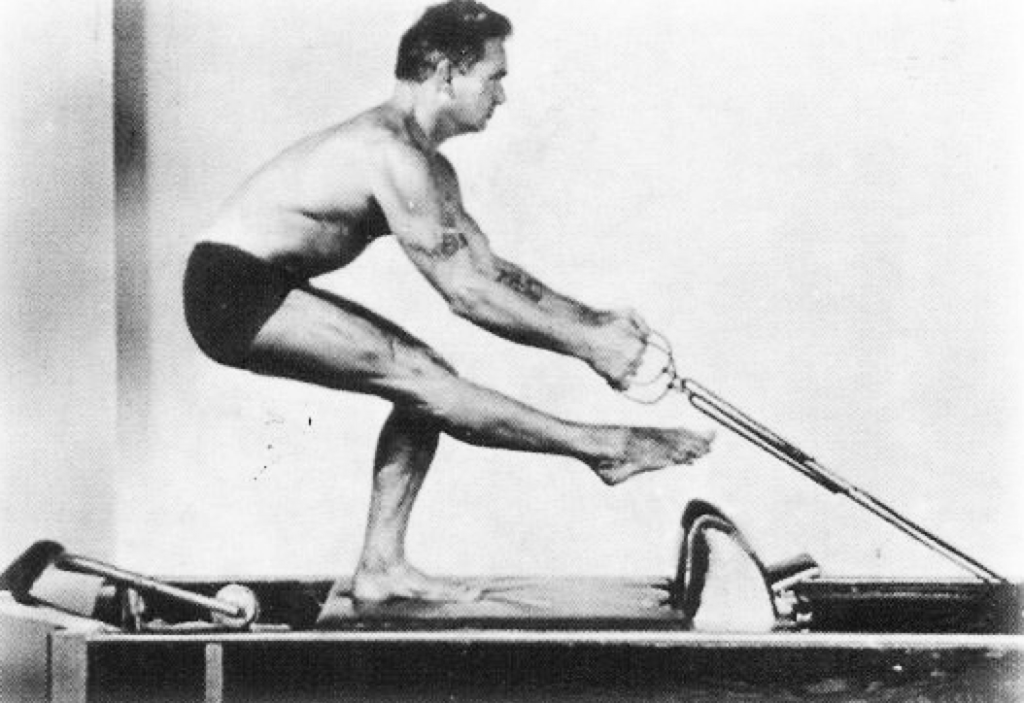
Today, Pilates has expanded into various styles, such as mat Pilates, reformer Pilates, and clinical Pilates, each offering unique benefits. Studios across the globe incorporate apparatus like the reformer, Cadillac, and Wunda Chair, all inspired by Joseph’s original designs.
Modern Pilates emphasizes accessibility, with online classes, beginner-friendly sessions, and advanced training available to meet diverse needs. Its benefits for rehabilitation, fitness, and mental health continue to make it a sought-after practice.
From its creation in a small studio on Eighth Avenue to its widespread global reach, Pilates remains a testament to Joseph Pilates’ innovative vision. The method’s ability to strengthen the body, improve posture, and harmonize the mind makes it timeless and universally beneficial.
Joseph Pilates’ journey from a sickly child in Germany to the creator of a globally celebrated exercise method is a story of resilience and vision. His innovative approach to physical fitness, born from a desire to overcome personal health challenges, has transformed the lives of millions.
Pilates’ early work during World War I, using adapted hospital beds to rehabilitate injured soldiers, set the foundation for a method that continues to thrive. His collaboration with dancers like Martha Graham and George Balanchine further solidified Pilates as a vital tool for strength and injury prevention.
The Pilates method’s core principles—control, precision, breathwork, alignment, and mindfulness—ensure it remains relevant and effective in the modern fitness landscape. Whether practiced on a mat, reformer, or other apparatus, Pilates addresses both physical and mental health, embodying a holistic approach to wellness.
Joseph’s legacy lives on in the global Pilates community, which continues to honor and adapt his methods. From rehabilitation programs to fitness studios and online platforms, his influence is felt in every Pilates session.
Pilates is more than just an exercise method; it’s a testament to the power of innovation and dedication to improving the human body and mind. By embracing this practice, we carry forward Joseph Pilates’ vision of achieving balance, strength, and harmony.